Rosa Vogel · 27 September 2026
Slatehill's Rural Clinics Tap State Funds to Counter Drought's Ripple Effects on Local Care
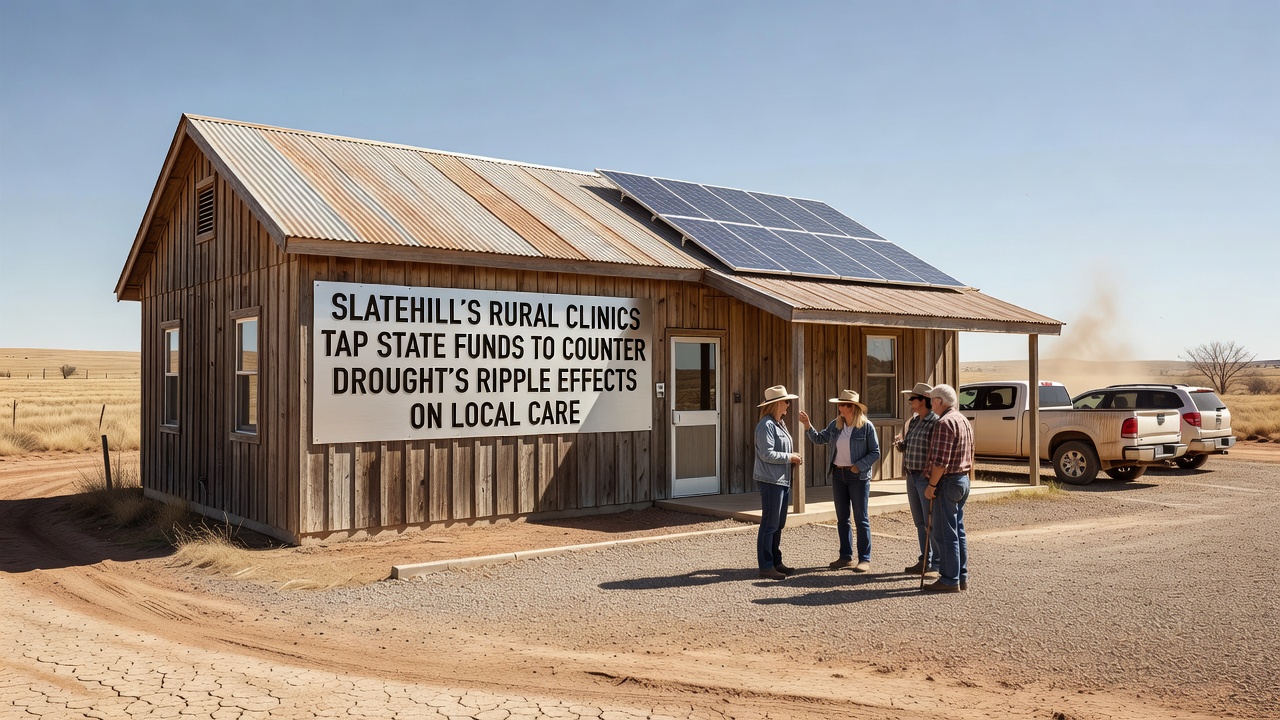
State funding has begun flowing to rural clinics across Slatehill as prolonged drought conditions continue to strain water supplies and disrupt essential medical services in September 2026, according to regional health department reports. Clinics in outlying areas now face reduced access to clean water for sterilization procedures, patient hydration, and basic sanitation protocols, while state officials have approved targeted grants to install conservation systems and emergency water reserves.
Drought Conditions and Their Direct Effects on Healthcare Delivery
Extended dry spells have lowered reservoir levels and depleted groundwater sources throughout the Slatehill region since early 2025, leaving many facilities to operate under strict water rationing schedules. Research from the Centers for Disease Control and Prevention indicates that healthcare settings require consistent water volumes for infection control, yet several clinics report cutting back on non-emergency procedures because of supply shortfalls. Staff members have adapted by reusing certain equipment where protocols allow and scheduling high-water-use tasks during off-peak hours, yet these adjustments create bottlenecks that delay routine care for residents who already travel long distances.
Local data shows that patient visits involving wound care and dialysis have dropped by nearly 15 percent in the hardest-hit clinics over the past nine months, while emergency transports to larger hospitals have risen. The ripple effects extend beyond immediate medical needs; families report postponing preventive checkups because they worry about clinic closures during peak heat periods when water demand spikes further. Observers note that these patterns mirror challenges documented in similar arid zones worldwide, where resource scarcity forces healthcare providers to prioritize acute cases over ongoing management of chronic conditions.
State Funding Mechanisms and Their Application
In response, the state legislature allocated $4.2 million specifically for drought mitigation in rural health facilities during the 2026 budget cycle, with disbursement beginning in July. Funds support installation of rainwater harvesting units, high-efficiency fixtures, and backup tank systems at 12 participating clinics. Administrators at each site must submit quarterly usage reports to qualify for continued support, creating a framework that ties financial assistance directly to measurable conservation outcomes. One clinic in the eastern county used its initial disbursement to connect with a neighboring agricultural well under a shared-access agreement, which has stabilized daily operations without expanding the municipal draw.
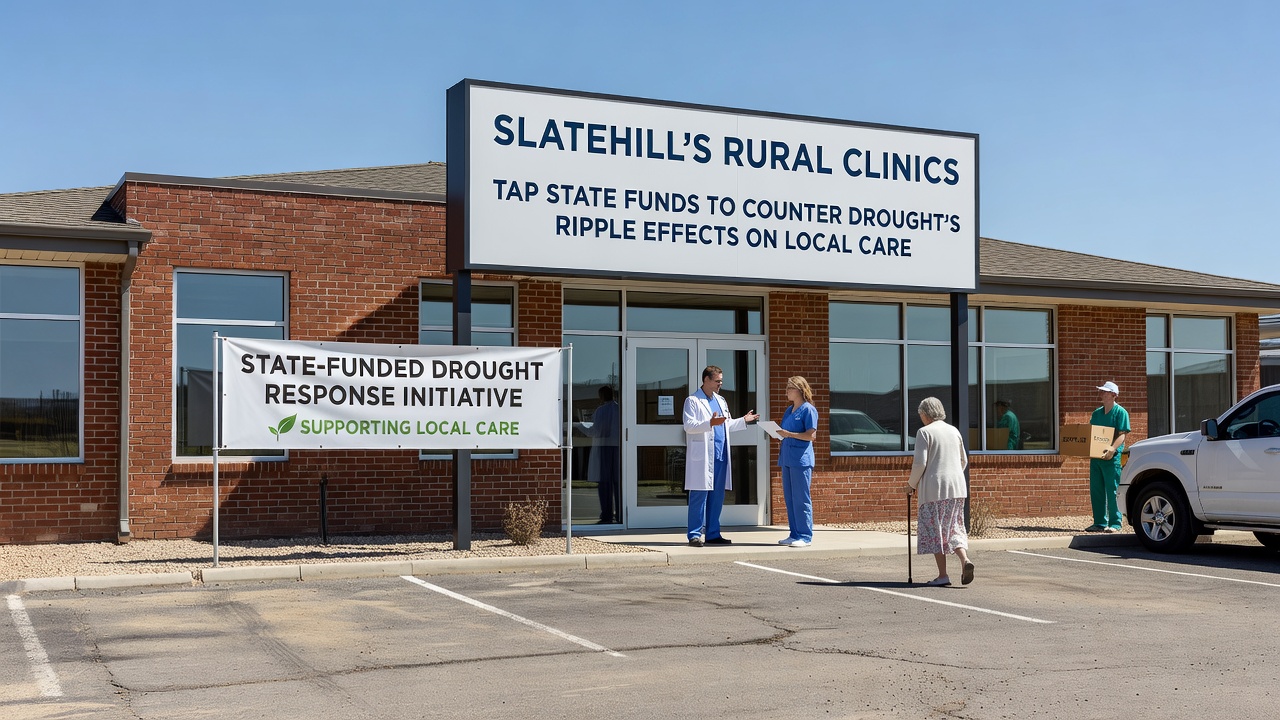
Additional grants cover training programs that teach staff how to maintain new equipment and monitor quality metrics, ensuring the infrastructure delivers reliable results. Figures from the state health department reveal that clinics receiving funds have already reduced water consumption by an average of 22 percent compared with baseline measurements taken in 2024. These reductions occur even as patient loads remain steady or increase slightly during summer months when heat-related illnesses become more common. Partnerships with regional universities have supplied technical assistance on system design, drawing on engineering studies that tested similar setups in comparable climates.
Community-Level Adjustments and Ongoing Monitoring
Residents have noticed changes in service delivery, including expanded telehealth options that reduce the need for in-person visits requiring water-intensive prep. Mobile units now visit remote farms twice monthly to deliver medications and basic screenings, bypassing some clinic constraints altogether. Public health campaigns encourage households to maintain personal water stores for medication mixing and hygiene, complementing the clinic-level investments. Data collected through September 2026 shows a modest uptick in at-home monitoring device usage among chronic disease patients, which aligns with broader trends tracked by the National Institutes of Health in water-stressed regions.
Coordination between clinic directors and county emergency management teams has intensified, with joint drills scheduled to test response times during hypothetical extended outages. These exercises incorporate lessons from a 2023 pilot program in another state that successfully maintained continuity of care through modular water systems. Monitoring continues via monthly reports that track both water metrics and health outcome indicators, allowing adjustments before problems escalate.
Conclusion
State resources are addressing immediate water-access barriers at Slatehill's rural clinics while establishing longer-term infrastructure that can withstand future dry periods. The combination of targeted funding, equipment upgrades, and operational adaptations has begun to stabilize service levels even as drought conditions persist. Continued tracking through established reporting channels will determine how effectively these measures protect patient care in the months ahead.