Freya Lang · 11 October 2026
Slatehill Infrastructure Funds Address Pollution Reduction and Farm Sector Pressures
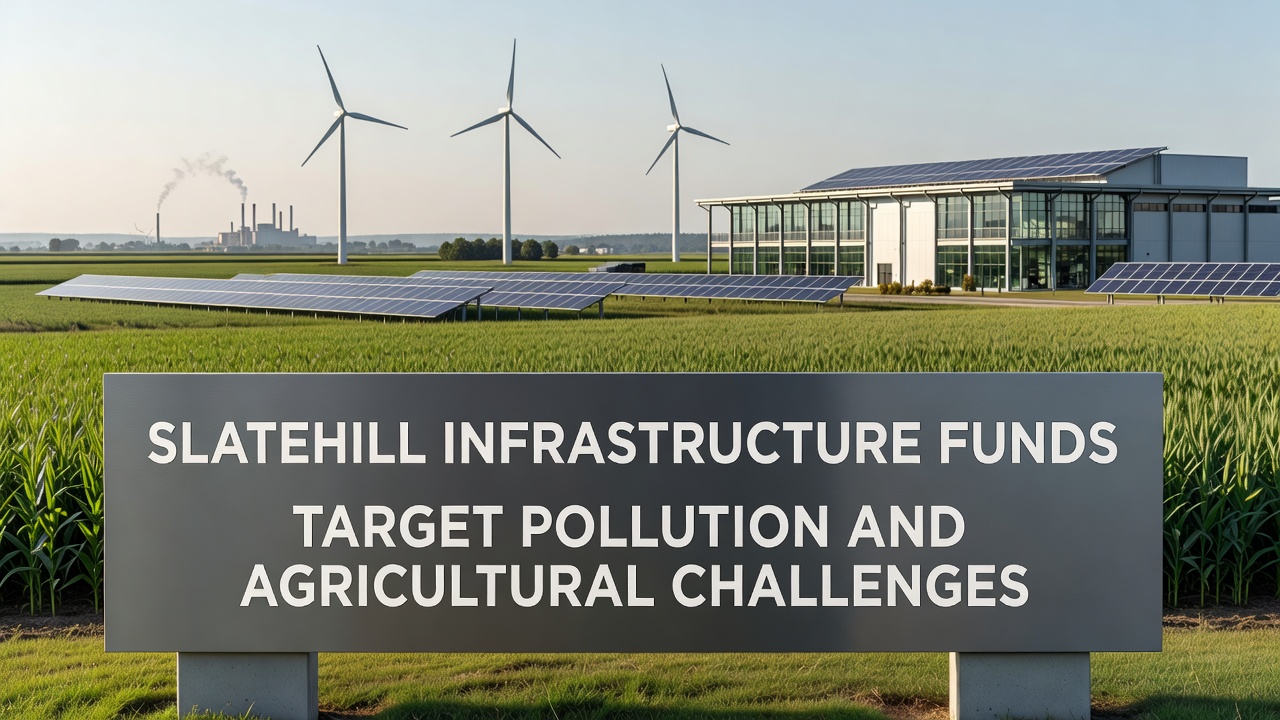
Local authorities in Slatehill have directed infrastructure funds toward projects that simultaneously cut pollution levels and ease pressures on agricultural operations, with new allocations announced for October 2026. These investments focus on water management systems, soil remediation efforts, and energy-efficient processing facilities that serve both environmental compliance and farm productivity goals.
Current Challenges in the Region
Data from regional monitoring programs show elevated nutrient runoff from farms entering local waterways, while prolonged dry spells have stressed irrigation supplies and reduced crop yields in several districts. Researchers at state agricultural extensions note that these patterns have persisted across multiple seasons, prompting coordinated responses that combine infrastructure upgrades with best-practice farming techniques. The funds target both sources of pollution such as fertilizer leaching and downstream effects on water quality that affect entire watersheds.
Observers note that agricultural operations face additional hurdles from rising energy costs for pumping and storage, along with stricter regulations on emissions from equipment and processing plants. Figures released by the Environmental Protection Agency indicate that targeted infrastructure can reduce certain pollutant loads by measurable percentages when paired with updated drainage and filtration systems.
Fund Allocation and Project Design
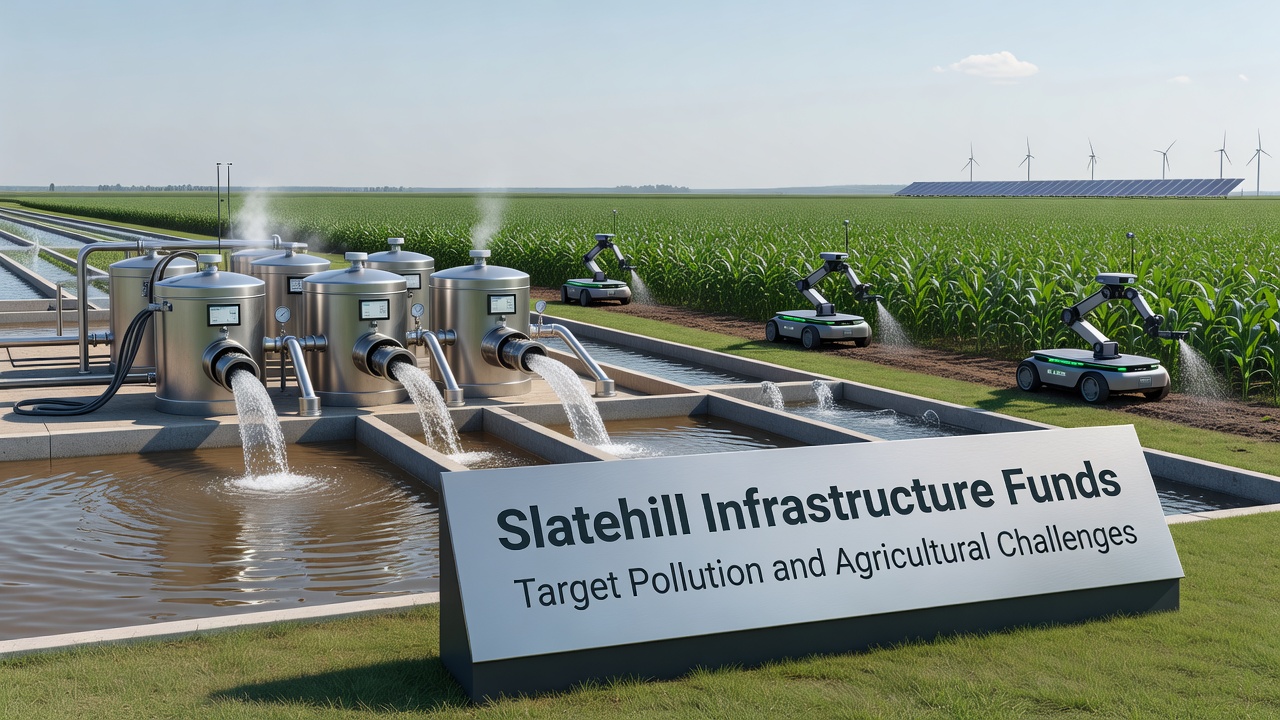
Allocations announced for the coming fiscal year prioritize three main categories: advanced wastewater treatment plants that capture agricultural runoff, solar-powered irrigation networks that lower operational emissions, and soil amendment programs that restore degraded land. Project planners have integrated sensors and data analytics to track performance metrics in real time, allowing adjustments as conditions change through 2026 and beyond.
One initiative involves retrofitting existing canals with automated gates and biofiltration beds, an approach that reduces sediment transport while maintaining consistent water delivery to fields. Another effort partners with equipment suppliers to introduce low-emission tractors and harvesters, supported by charging infrastructure funded through the same pool. These steps align with broader state guidelines that emphasize measurable outcomes over fixed timelines.
Integration With Agricultural Practices
Farmers in participating districts receive technical support to adopt precision application methods for fertilizers and pesticides, which data from pilot sites show can cut excess nutrient loss by significant margins. Extension services coordinate workshops that demonstrate how new drainage infrastructure works alongside cover cropping and rotational grazing, practices already in use on several operations. The combined approach aims to maintain output levels while meeting updated environmental standards scheduled for enforcement in late 2026.
What's interesting here is the emphasis on shared infrastructure that serves multiple farms rather than individual property upgrades, a model that spreads costs and accelerates adoption. Reports from similar programs in other regions suggest this collective method improves both compliance rates and cost efficiency, according to analyses published by Agriculture and Agri-Food Canada. Local coordinators expect the first full reporting cycle to begin in early 2027, providing baseline comparisons for future adjustments.
Environmental and Economic Data Points
Monitoring stations already in place have recorded initial declines in certain contaminant concentrations following early-phase installations completed in 2025. These readings come alongside stable or improved harvest figures on farms that integrated the new systems, though longer observation periods will be needed to confirm trends. Industry organizations such as the National Farmers Federation in Australia have documented comparable outcomes in drought-affected areas where infrastructure investments paired with agronomic changes produced dual benefits.
Budget documents list total committed amounts and projected timelines, with milestones tied to independent verification by third-party auditors. The structure encourages transparency, as quarterly updates are posted on public dashboards maintained by the regional planning office. Participants can review expenditure breakdowns and performance indicators without restriction.
Looking Ahead
Additional phases scheduled through 2028 will expand coverage to more remote agricultural zones and incorporate emerging technologies for carbon tracking. Planners continue to solicit input from growers, environmental groups, and technical specialists to refine designs before each new round of construction begins. The October 2026 funding round represents the midpoint of the current multi-year plan, with mid-course evaluations already underway to identify any required shifts in priority.
Conclusion
The infrastructure funds represent a structured response to documented environmental pressures and agricultural constraints in Slatehill, drawing on coordinated investments in water, energy, and soil systems. Ongoing data collection will determine whether the combined measures achieve the intended reductions in pollution loads and improvements in operational resilience for local farms. Public records and agency reports provide the primary sources for tracking progress as implementation continues.