Tina Becker · 13 September 2026
Bridging Educational Divides: Slatehill's Library Tech Investments Respond to Teacher Shortfalls
Teacher shortages have persisted across many regions, and Slatehill has directed resources toward public libraries as one avenue for support, with new technology deployments scheduled to expand access starting in September 2026. These efforts focus on digital platforms that extend learning opportunities beyond traditional classroom hours, while data from regional education reports show vacancy rates remaining elevated in several districts.
Understanding the Scale of Teacher Shortages
School districts in and around Slatehill report ongoing challenges filling positions in core subjects, according to figures released by the state education department earlier this year. Enrollment in teacher preparation programs has declined over the past decade, and retirement rates among experienced staff have contributed to the gap. Observers note that rural and lower-income areas within the region face the steepest hurdles, where substitute pools often prove insufficient during peak absence periods.
Research from the National Center for Education Statistics indicates that roughly one in five teaching positions nationwide required additional recruitment efforts during the 2025-2026 school year, and similar patterns appear in local analyses for Slatehill. Communities have responded by exploring supplemental resources outside school buildings, including expanded roles for public libraries that already serve as after-hours study spaces.
Library Technology Upgrades and Their Scope
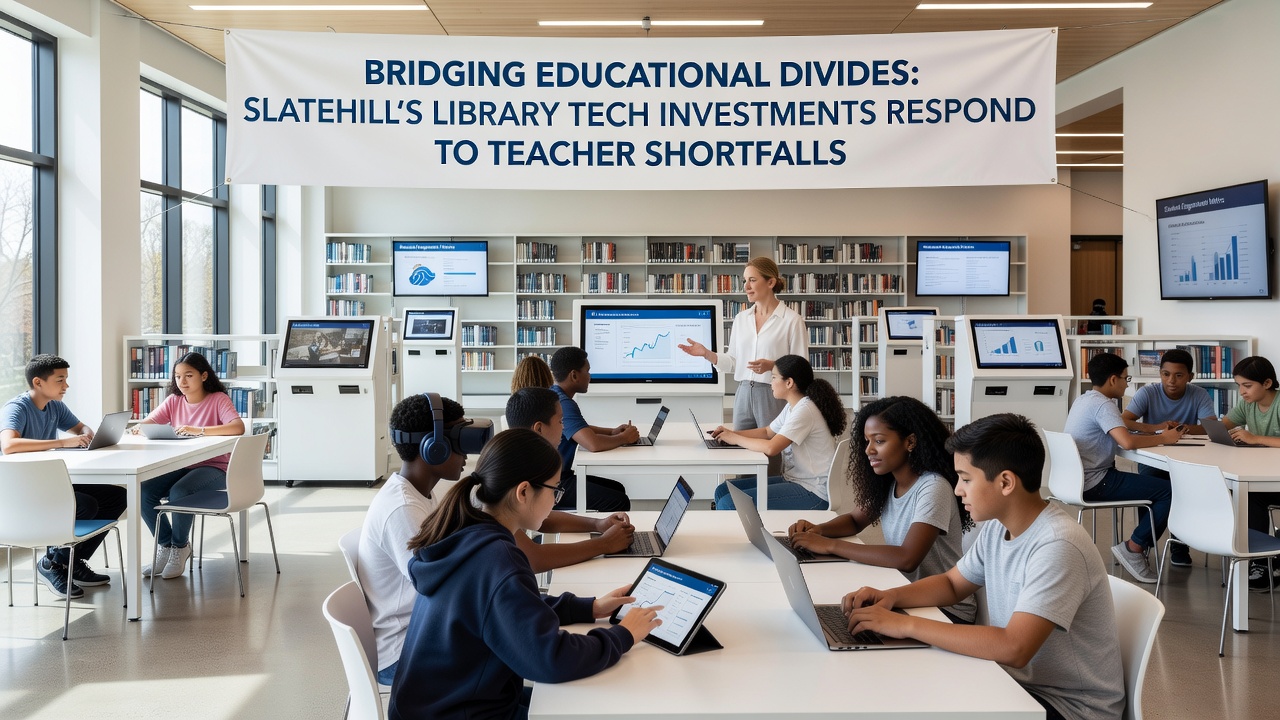
Slatehill's library system has allocated funds for interactive learning software, expanded e-book collections, and virtual tutoring interfaces that connect students with remote educators during evenings and weekends. These systems integrate with existing school curricula so that assignments completed at library terminals sync directly with teacher dashboards. Funding comes from a combination of local bonds, state grants, and private donations earmarked specifically for digital equity projects.
Hardware additions include additional tablets, high-speed workstations, and secure Wi-Fi mesh networks that reach previously underserved neighborhoods. Library staff receive training on guiding users through these tools, while partnerships with nearby colleges supply volunteer tutors who staff virtual sessions. The rollout timeline targets full operation by the start of the new academic calendar in September 2026, allowing summer preparation and testing phases to conclude beforehand.
Addressing Equity Through Digital Access
Disparities in home internet access remain a documented barrier, and library investments aim to close that divide by providing no-cost devices and connectivity during extended operating hours. Data compiled by the Pew Research Center shows that households without reliable broadband often fall behind on homework completion rates, particularly in subjects requiring online research or interactive practice modules. Slatehill libraries have positioned themselves as neutral ground where students from varied backgrounds can use the same resources.
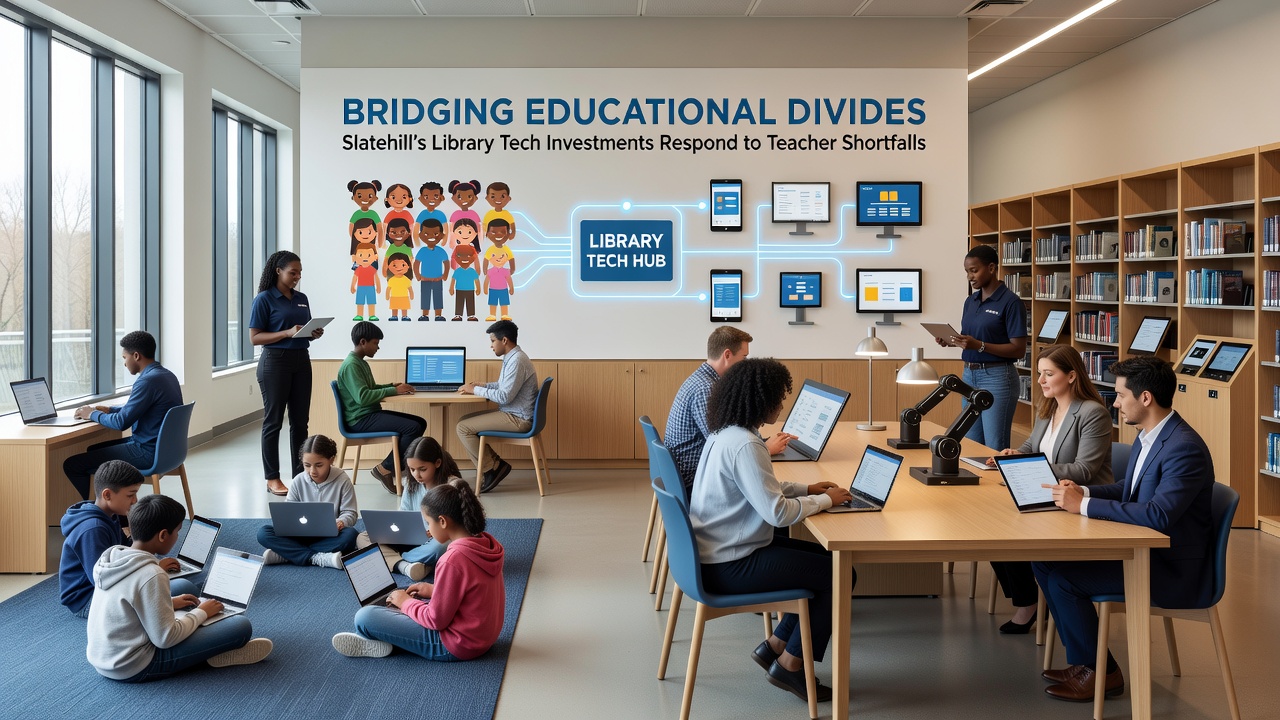
Programs launched under the initiative include adaptive math and reading platforms that adjust difficulty based on individual performance, as well as recorded lesson archives from certified instructors. These features allow learners to review material at their own pace, supplementing classroom instruction without requiring additional teacher time during regular school hours. Early pilot sites report steady usage increases, especially among middle-school students preparing for standardized assessments.
Measuring Early Outcomes and Community Response
Preliminary tracking data collected through the library network shows rising attendance at technology-supported study sessions, with usage logs indicating repeat visits from the same cohort of students. School administrators have noted modest improvements in assignment submission rates among participants, though comprehensive longitudinal studies are still underway. Local education officials plan to release comparative performance metrics after the first full semester of expanded access concludes.
Similar approaches appear in other parts of the country, and a report from Australia's Department of Education highlights how public libraries in regional areas have incorporated comparable digital tools to offset staffing pressures. In Canada, provincial library consortia have documented parallel efforts, according to summaries published by the Canadian Council of Learning. Slatehill planners have reviewed these international cases while adapting features to fit local curriculum standards and demographic needs.
Future Integration with School Systems
Discussions continue between library leadership and district superintendents about deeper data-sharing agreements that would allow real-time progress monitoring across both environments. Privacy protocols remain under review to ensure compliance with federal student data protection requirements. Additional phases of the project may incorporate virtual reality modules for science and history topics once bandwidth upgrades finish later in 2026.
Community feedback sessions held at branch locations have gathered input on preferred subjects and scheduling preferences, guiding further refinements. These forums reveal consistent demand for multilingual interfaces and assistive technologies that support students with learning differences. Implementation teams continue to adjust rollout plans based on this input while staying within approved budgets.
Conclusion
Slatehill's library technology program represents one coordinated response to persistent teacher shortages, with deployments set to intensify by September 2026. The initiative combines hardware, software, and staffing adjustments to extend educational support into community spaces. Ongoing evaluation will determine how these investments affect measurable learning outcomes and whether similar models merit adoption elsewhere.